

2026-09-30
Coat vs. Jacket: What’s the Difference & Which One Should You Wear?
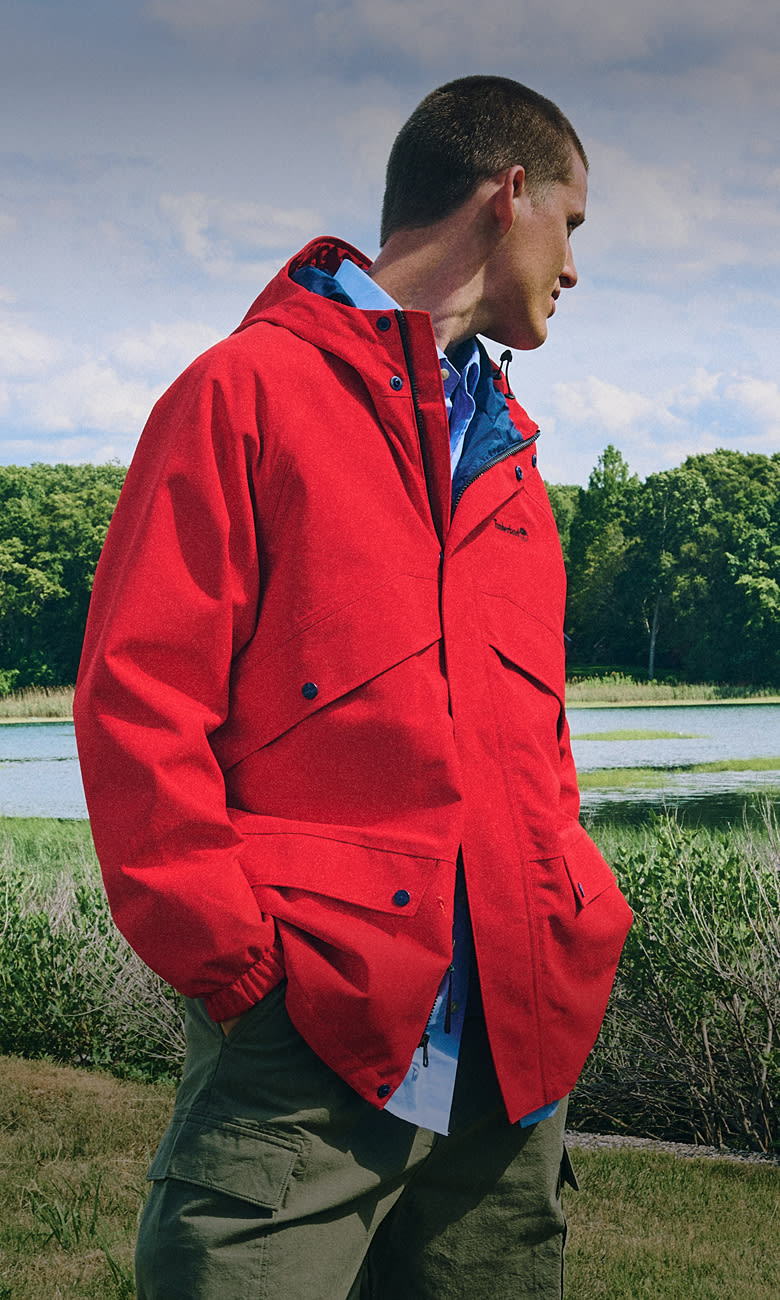
Here’s how to know a jacket from a coat and when to wear each one.
Coats are longer and suited for colder conditions, while jackets offer range of motion and seasonal versatility.
Timberland Team
They sound like synonyms, but there’s a difference between a coat and a jacket. Even if you’d never thought of it before, it’ll make sense the more you learn. Jackets and coats are useful for different climates and activities.
Timberland has men’s and women’s outerwear for a variety of seasons and conditions. If you’re missing a key layer in your wardrobe, you’ll find it with us, from lightweight cotton jackets to rain-proof shells.
What Is the Difference Between a Jacket and a Coat?
The basic difference between a coat and a jacket is style and purpose. A coat tends to be longer and heavier, preferable either for colder conditions, more formal occasions, or both.
On the other hand, a jacket is lighterweight and often more versatile, adapting to more moderate climates. It also provides a more athletic fit that permits more range of motion.
Here’s the full breakdown on coats versus jackets:
Features in a Coat:
Falls below waist to thigh or knee
Usually heavier and suited for colder conditions
Best for long stints outside, where warmth is more important than freedom of movement
Better suited to formal occasions
Common types: trench coat, parka, peacoat.
Features in a Jacket:
Usually cut around the belt or just below
Often lighter weight, and only some are wind or rain-proof
Adaptable for different seasons, with breathability and range of motion, along with most outdoor activities
With the exception of blazers, more commonly for informal settings
Common types: rain jacket, canvas, denim jacket, bomber jacket
These are the broad-stroke differences between coats and jackets. But there’s more to say about the seasons that you would wear each one, and for what kinds of activities.

The basic difference between a coat and a jacket is style and purpose.
When to Wear Jackets: Seasons & Situations
You’ll find a jacket useful in transitional seasons, like fall and spring. Outdoor adventures in summer will also benefit from a rain jacket. Here’s a quick tour of Timberland jackets and when they come in handy:
Men’s Light Cotton Jacket: Fringe layer for the warmest parts of the seasonal transition. Stylish and care-free. Fashionable accessory for summer nights out.
Men’s & Women’s Strafford Canvas Jacket: Wind and rain-resistant, this is a hardy choice that still offers mobility and range of motion for any kind of work. It layers with a hoodie for coat levels of warmth. Wear it in fall and spring, with stretches of winter.
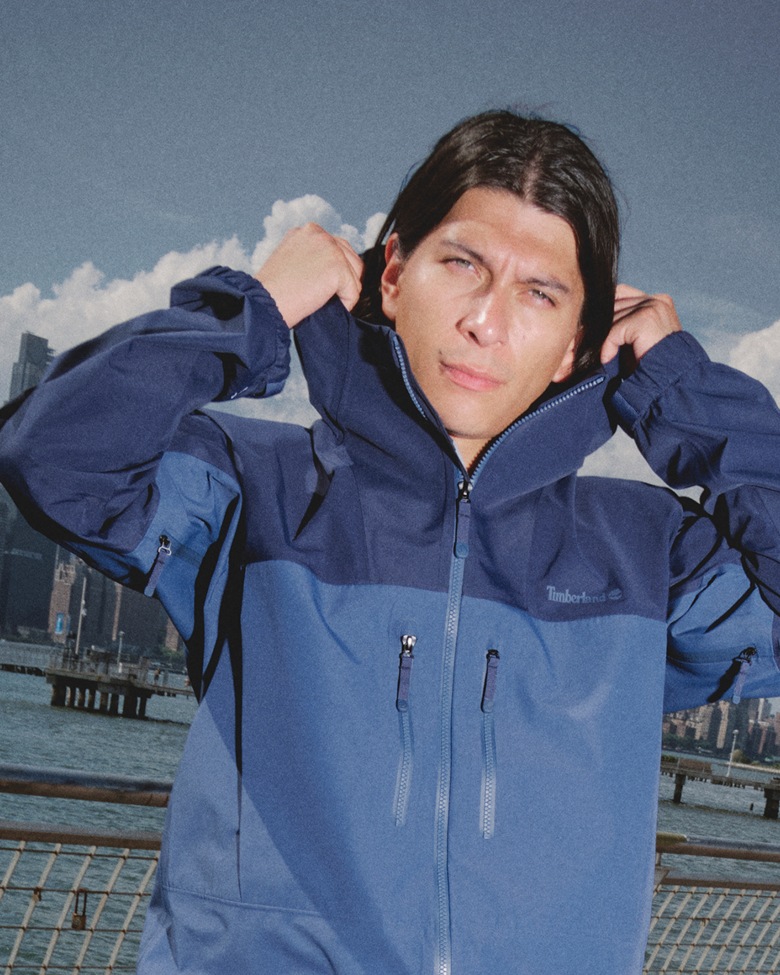
Men’s Winnick Waterproof Shell Jacket: This is a lighter rain layer that’s easy to carry along in case spring showers crop up. For chilly fall days or before spring really heats up, you may want a hoodie or sweatshirt to layer with.
When you’re grabbing a layer just to be safe, it’s probably a jacket. Learn more about how to layer for fall from our guide.
When to Wear Coats: Seasons & Situations
Coats are the big guns in your wardrobe, for extreme weather and formal occasions. They’re best for deep winter (just like our men’s and women’s winter boots). Here's some of our favorite Timberland coats:
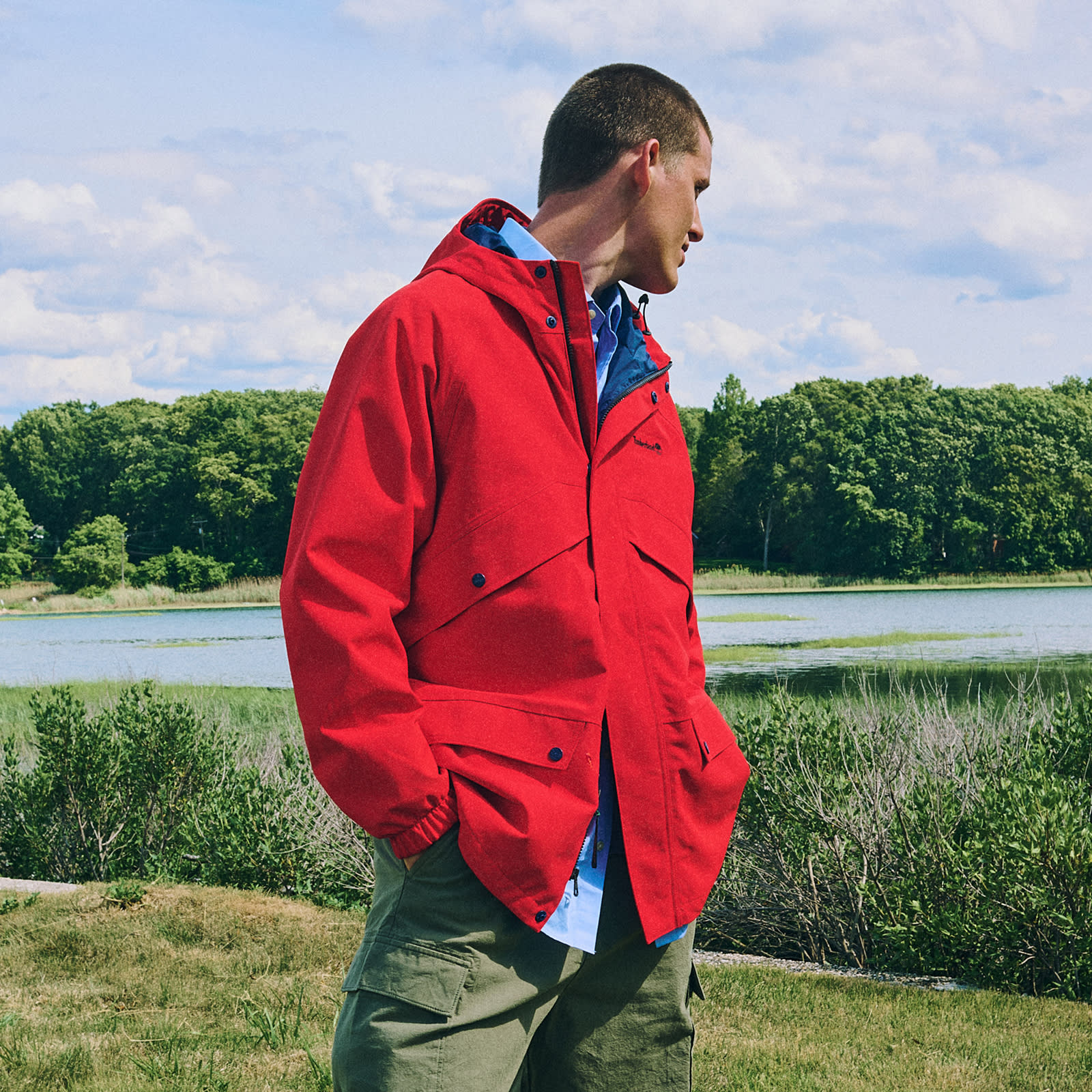
Granite State Waterproof Rain Jacket: Insulated and designed for the elements, with a retro style. It sits heavier on the shoulders and sits lower on the thigh for a more coat-like fit. Perfect for most days except for the very coldest, especially a summer hike above the tree line.
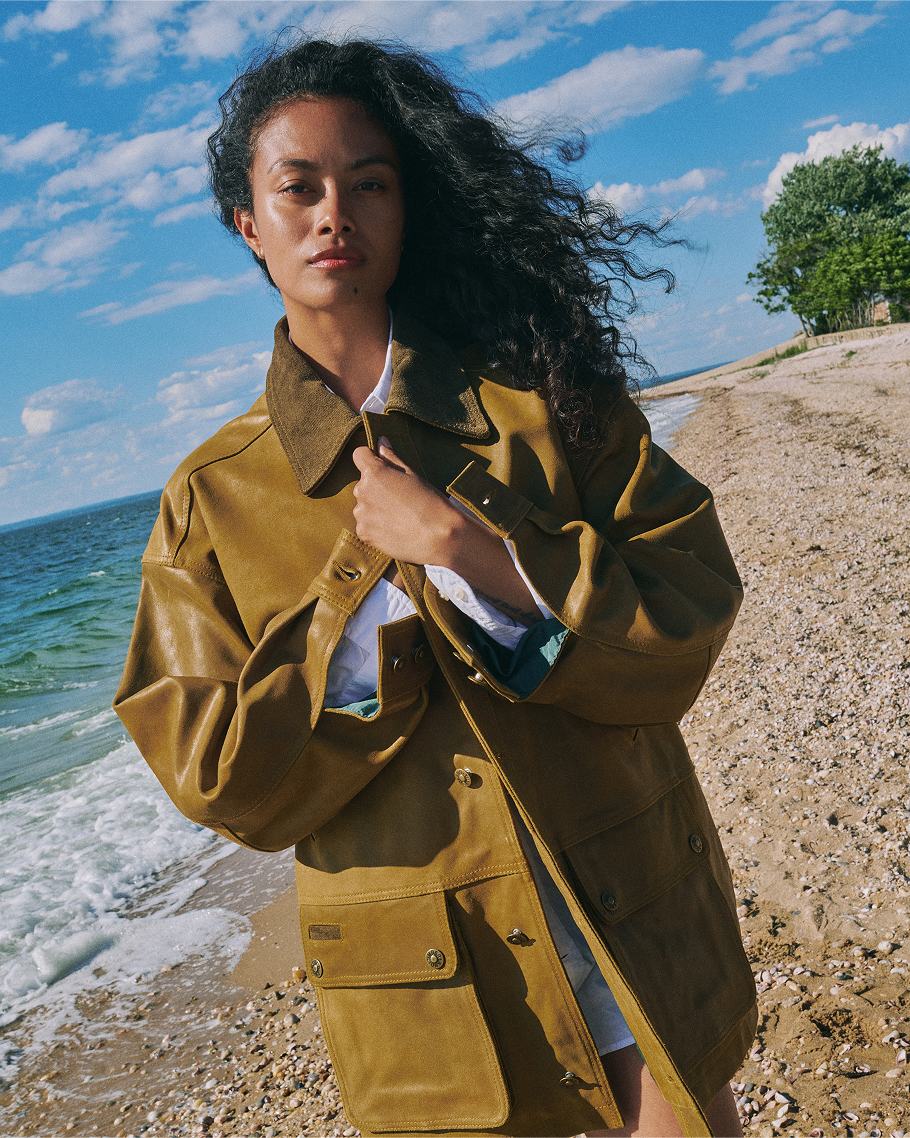
Women’s Wenham Waterproof Barn Coat: Long and weatherproof, this stylish coat is the pinnacle of comfort, fashion, and usefulness. Layer with it for the coldest days, but in general, it will hold up in tough conditions.
Next time someone asks, “What’s the difference between a coat and jacket?” you will know the answer. Timberland has accessories for the elements as well. But if you’re leaving the house with a jacket or coat on, what you really need to go with them is a great pair of men's or women’s boots.
More Blog Stories
Outdoor Lifestyle
Coat vs. Jacket: What’s the Difference & Which One Should You Wear?
They sound like synonyms, but there’s a difference between a coat and a jacket. Even if you’d never thought of it before, it’ll make sense the more you learn. Jackets and coats are useful for differen
Read
Outdoor Lifestyle
What’s the Best All-Weather Coat?
With so many jackets and coats out there, searching for the best winter coats can seem overwhelming. What is a parka jacket? How does it compare to a heavy raincoat? From finding the right field jacke
Read
Outdoor Lifestyle
Water Resistant vs. Waterproof Footwear
Join us as we cover the difference between water resistant vs waterproof footwear. They’re each useful for different situations.
Read
Outdoor Lifestyle
What's the Difference: Nubuck vs. Suede?
Nubuck and suede are both types of leather. They share some similarities and also have key differences. Here's our guide to these styles.
Read